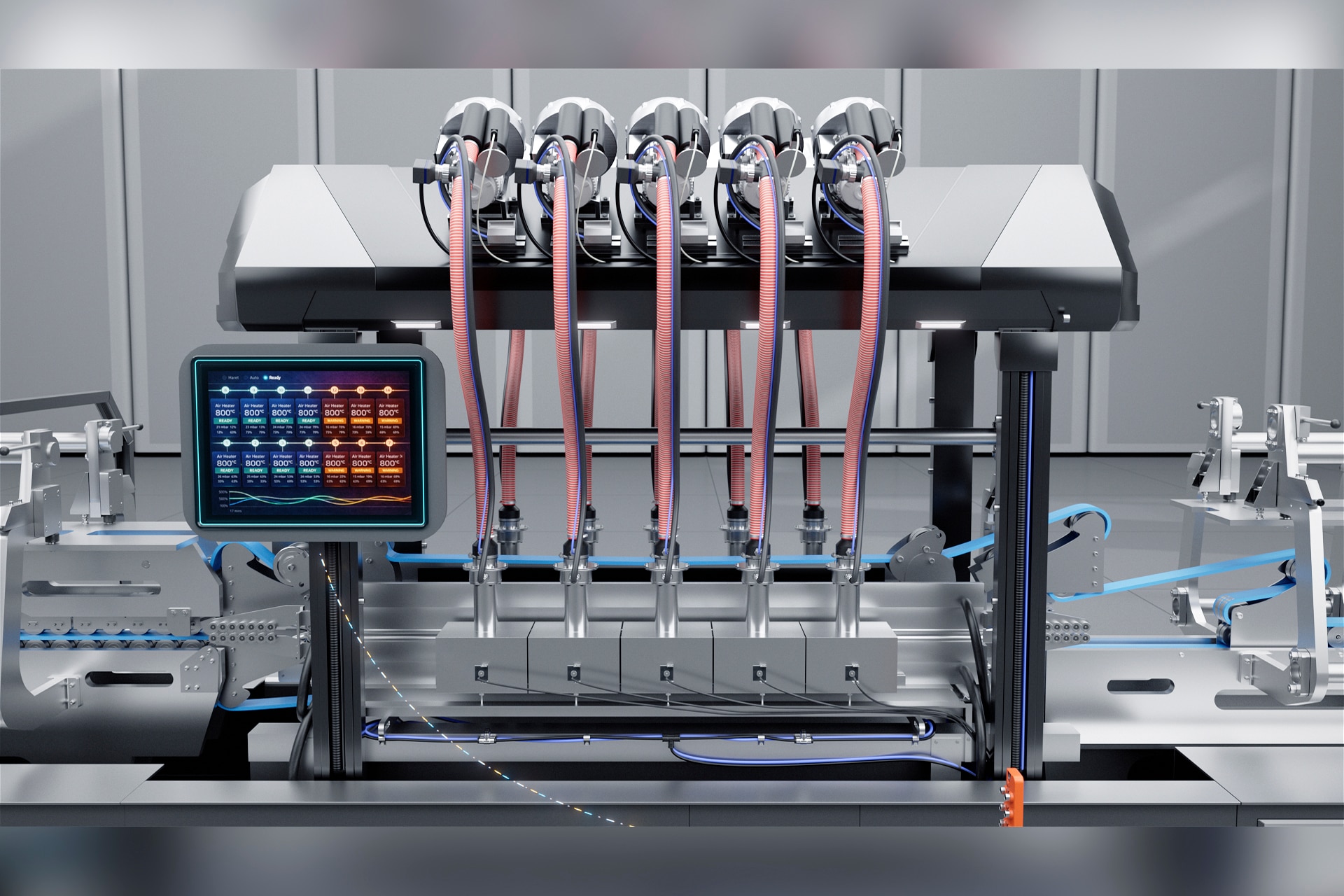
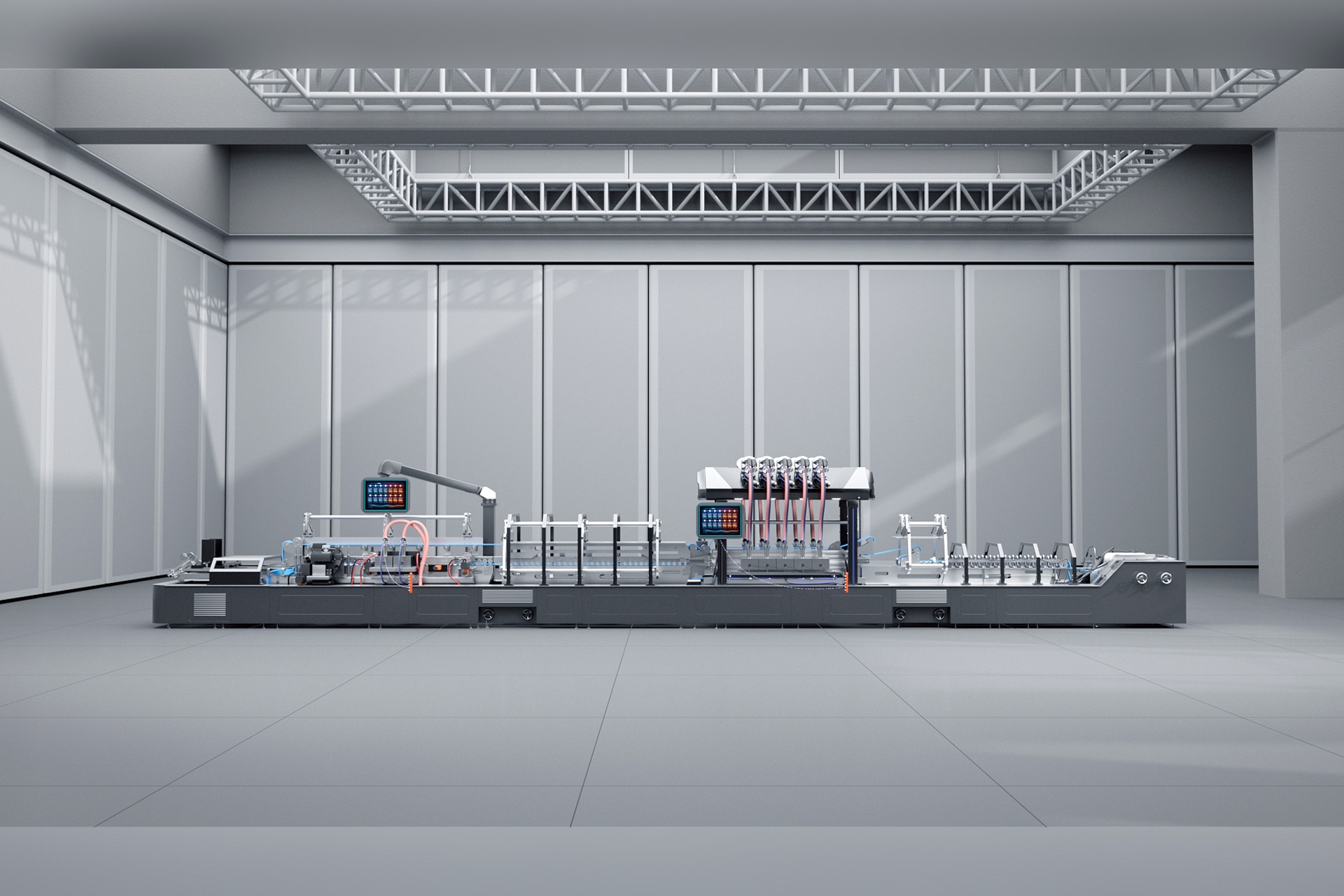
Modern production lines are no longer just about generating heat. The decisive factor is how precisely it is applied – and what insights the process reveals. Because data is generated in every process: Data on energy consumption and heat input,captured through measured temperature profiles, airflow, and operating conditions. But this data often remains unused.
From Process Step to Data Source
With networked systems, the role of process heat is fundamentally changing. What was once simply a functional component is now becoming an active source of information in the production process:
- Deviations are detected early
- Processes can be monitored in real time
- Optimizations can be measured and controlled
Not after the fact – but while production is running.
What Does this Look in Practice
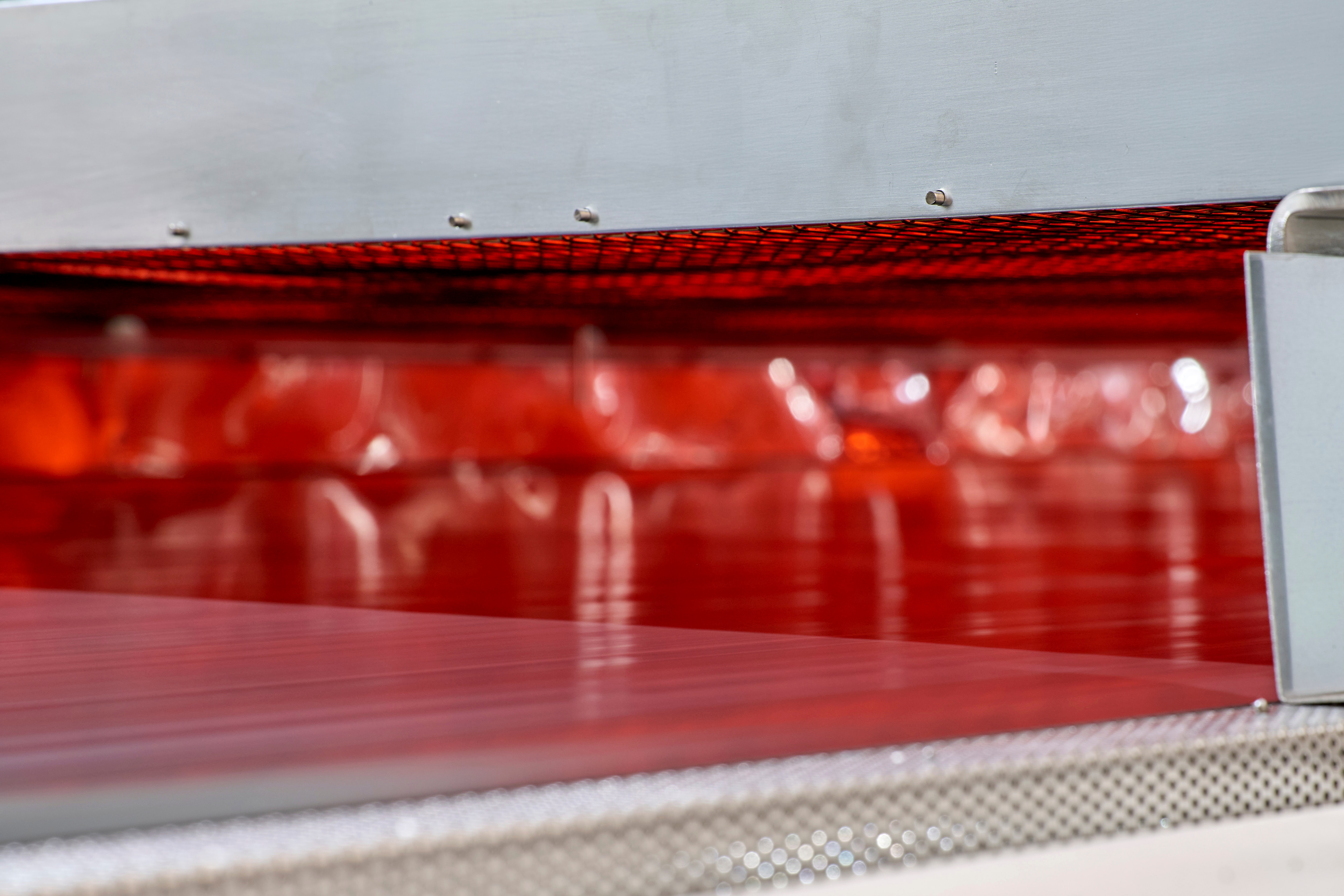
A practical example: In a continuous industrial process, the uniform distribution of heat determines whether a material develops exactly the desired structure – or whether waste is produced. Even minimal fluctuations directly affect quality and energy consumption.
Transparent process monitoring makes exactly that visible:
- Where energy is lost?
- Where processes run stably?
- And where can targeted readjustments be made?
Later, the collected data can be analyzed and optimized using AI.
The result: more stable processes, less downtime, easier maintenance planning, lower energy consumption, and more sustainable, optimized production