Inside the Biodigesters
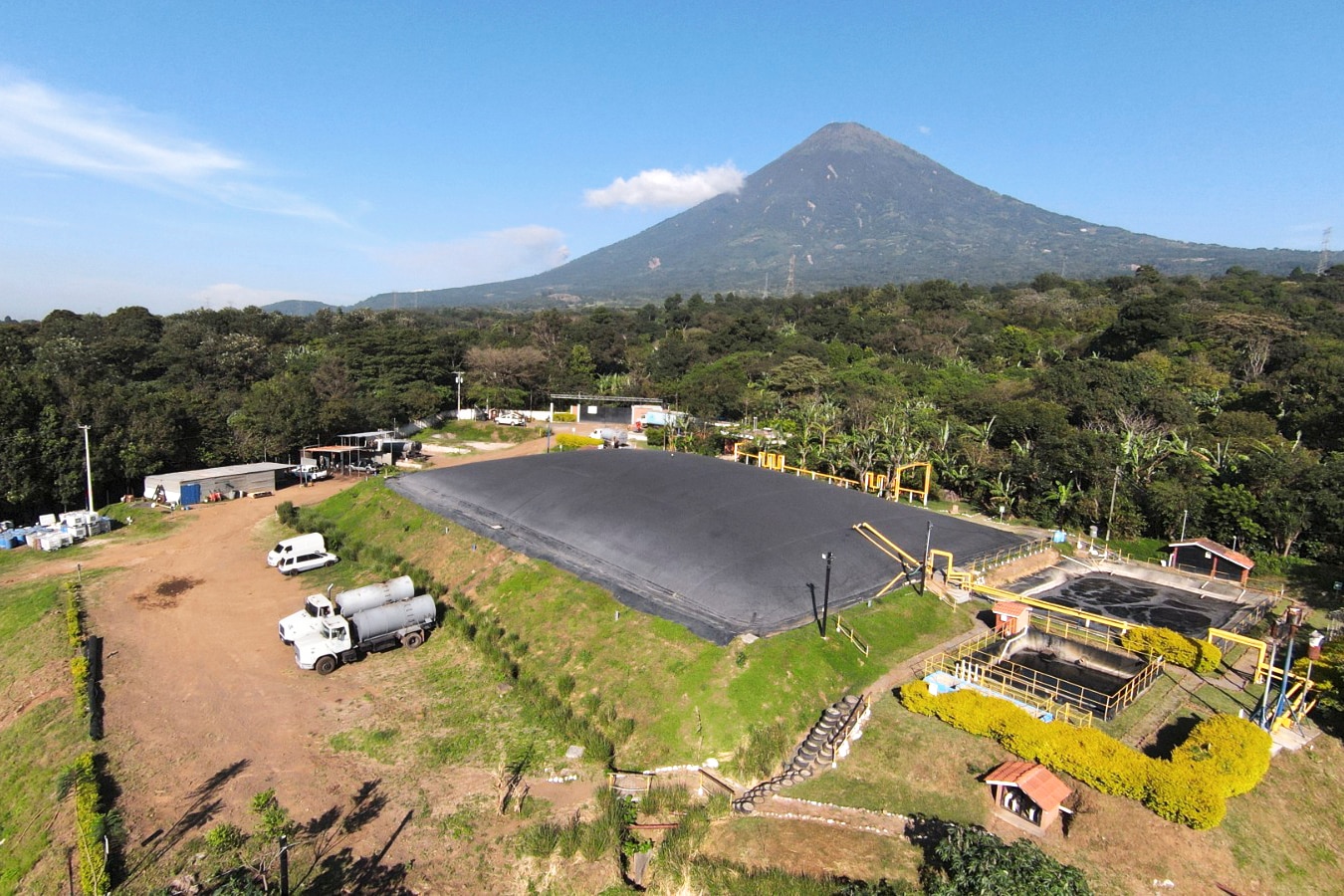
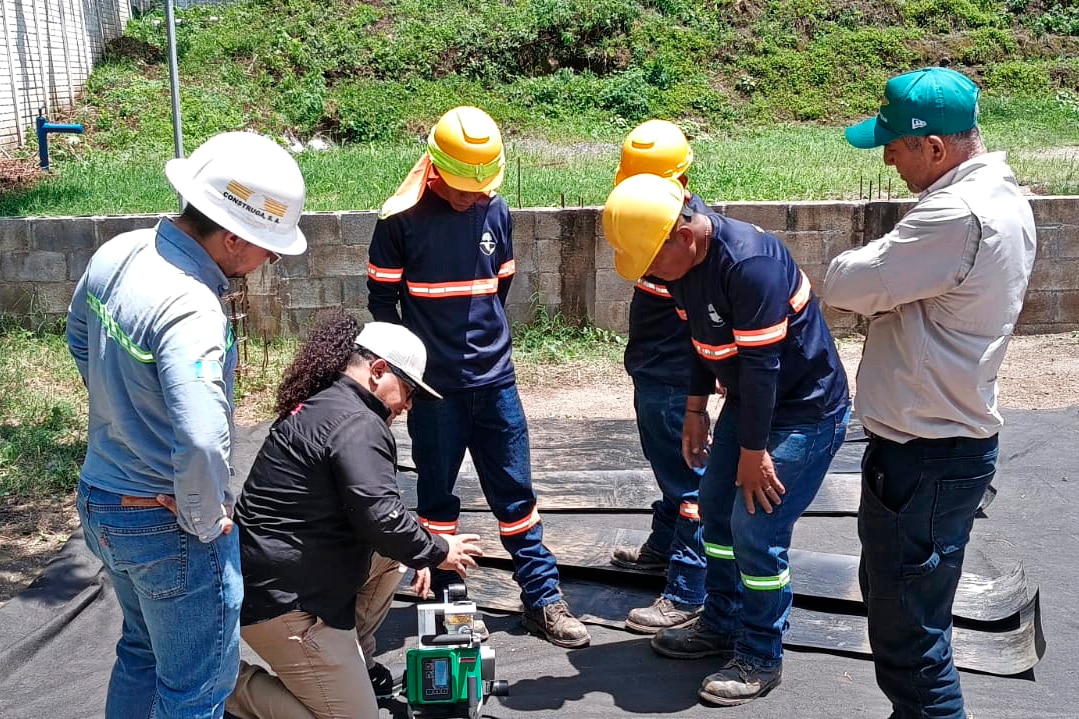
The plant’s two main biodigesters, each with an approximate capacity of 8,000 m³, were constructed using geomembranes welded with Leister equipment, including COMET wedge welders and FUSION 3 extrusion welders. The same technology is currently used for maintenance.
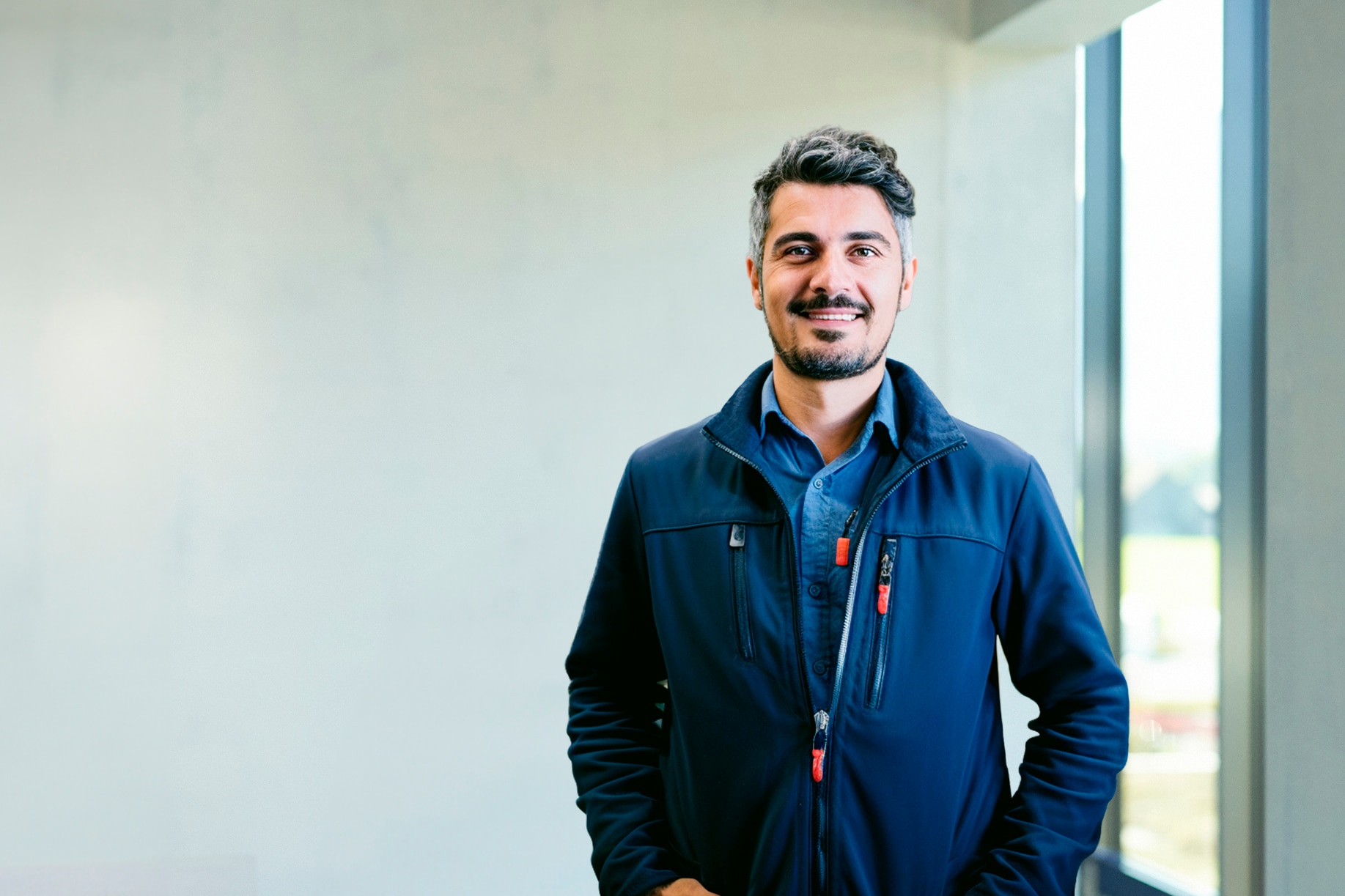
According to Mario Martínez, Project Director at Sostenible, S.A., the process begins with the collection of liquid and solid organic waste from various industries. These include fruits and vegetables, food waste, sludge and effluents with a high organic load, agro-industrial by-products, and animal waste such as blood and viscera. These materials serve as raw materials in the treatment and recovery process.
The waste then enters an anaerobic digestion process, in which microorganisms break down organic matter in the absence of oxygen and generate biogas, which consists mainly of methane. Part of this biogas is used to power a 65 kW generator, helping meet the plant’s electricity demand.
Currently, biogas production exceeds the plant’s installed energy utilization capacity, so the surplus is burned in a controlled manner using a safety flare. As part of a future expansion, Sostenible, S.A. plans to increase its generation capacity to use a larger share of the biogas produced and convert it into renewable energy.
Renewable Electricity from Methane-Rich Biogas
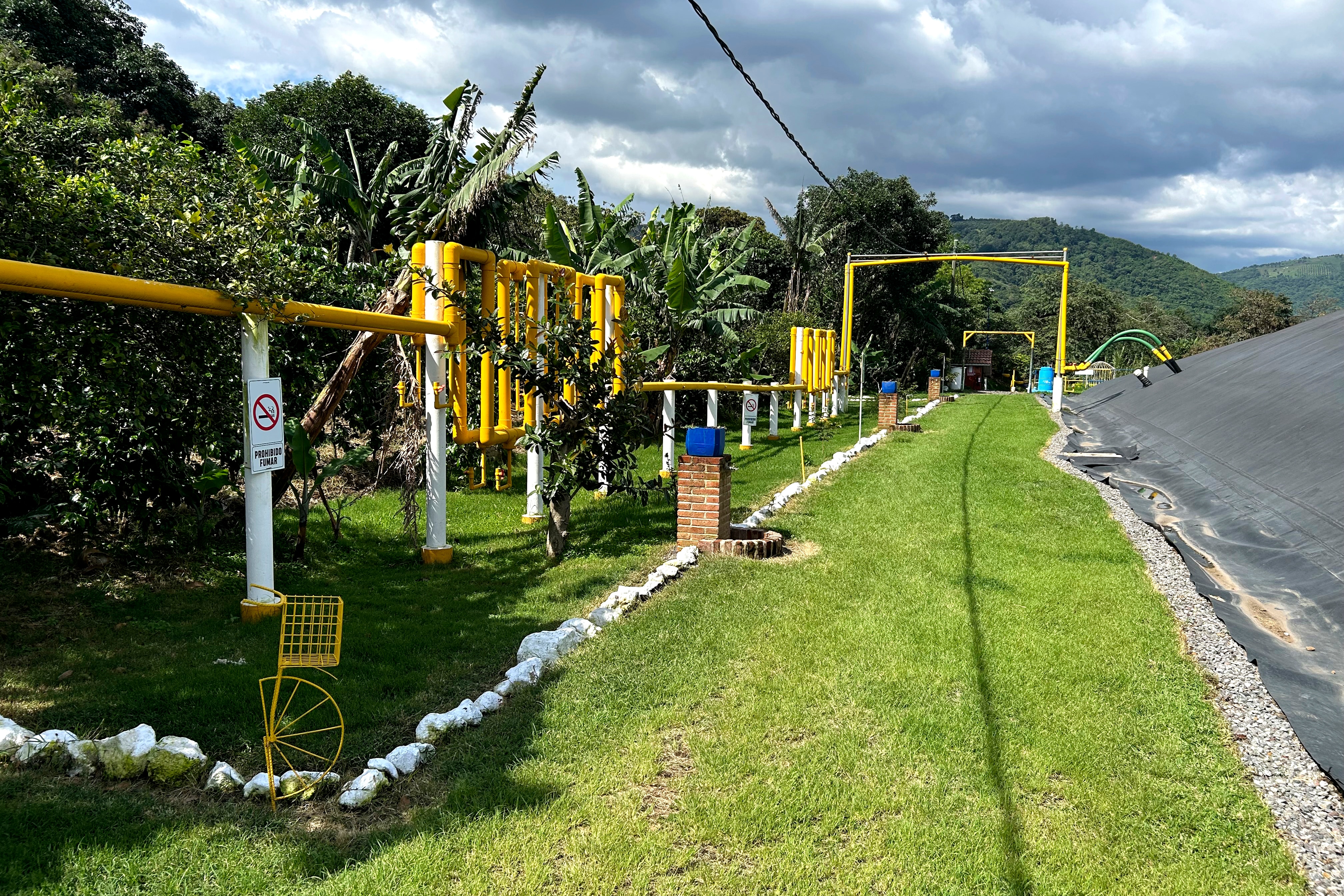
The biogas is transported through yellow pipes to the power generation system. Before entering the generator, it passes through a dehumidification system that reduces the moisture content of the gas, helping protect the equipment and maintain suitable conditions for energy generation.
After anaerobic digestion, the effluent undergoes an aerobic biological treatment process, followed by clarification and disinfection. The resulting treated water is reused for fertigation, allowing both the water and the remaining nutrients to be used for agricultural purposes.