Energy Markets in Transition – and the Opportunity for Industry
Global energy supply is under pressure due to rising gas prices, geopolitical uncertainty, supply chain risks, and CO₂ regulations – all of which put significant pressure on manufacturing
Anyone who still relies on gas today can feel:
- Supply uncertainty
- High CO₂ pricing
- Technical dependencies on gas burners, flame control, and exhaust systems
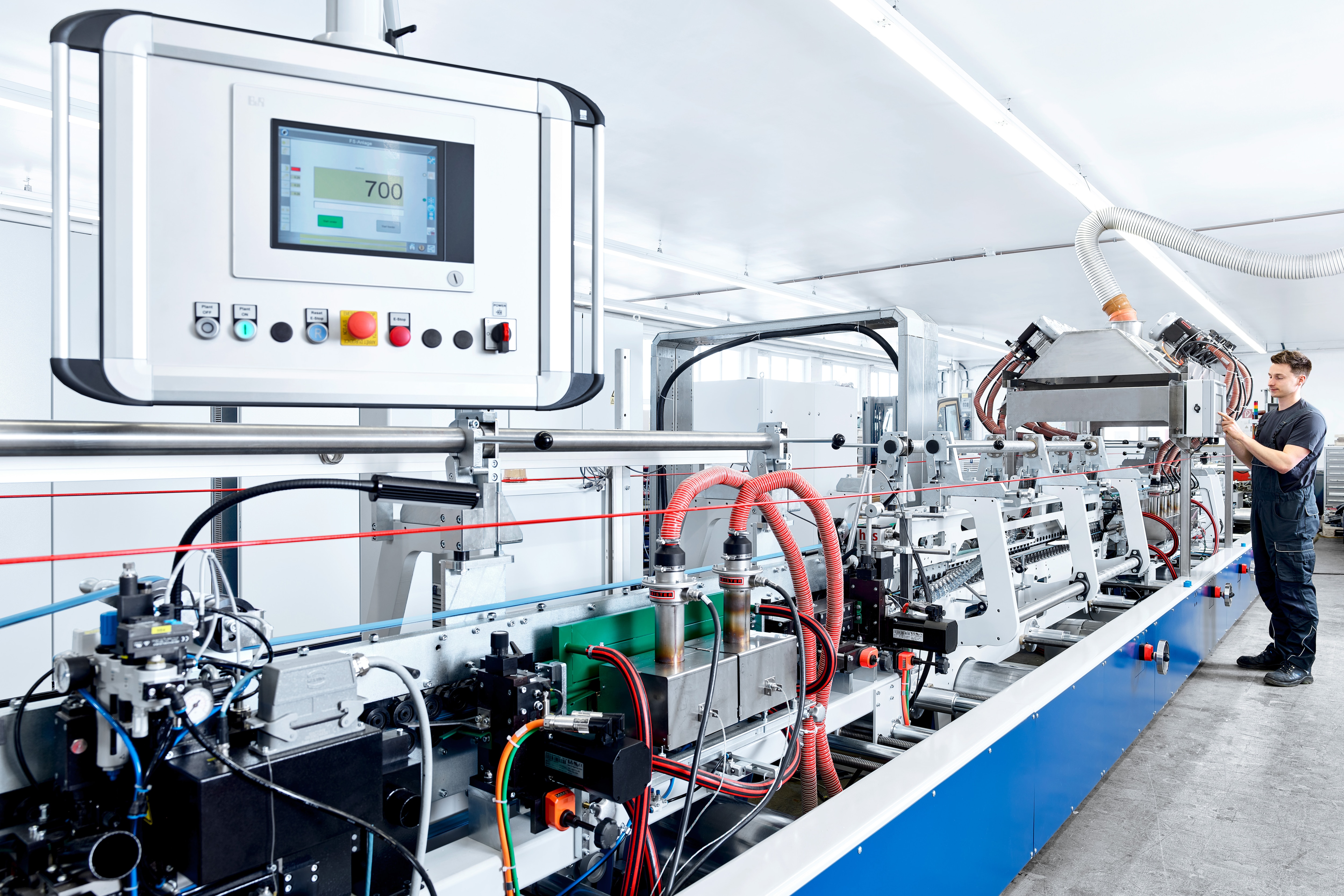
At the same time, pressure is mounting to implement energy-efficient and climate-friendly solutions in production lines – whether due to regulatory requirements or customer expectations. Electric process heat is exactly what provides that crucial upgrade. With Leister's hot-air solutions, companies can not only modernize their processes but also make them measurably safer, more cost-effective, and more sustainable.
Precision and efficiency: Where Hot Air Replaces Gas
Switching from gas to hot air offers clear advantages in modern production processes. Processes become safer, easier to control, and free of direct emissions.
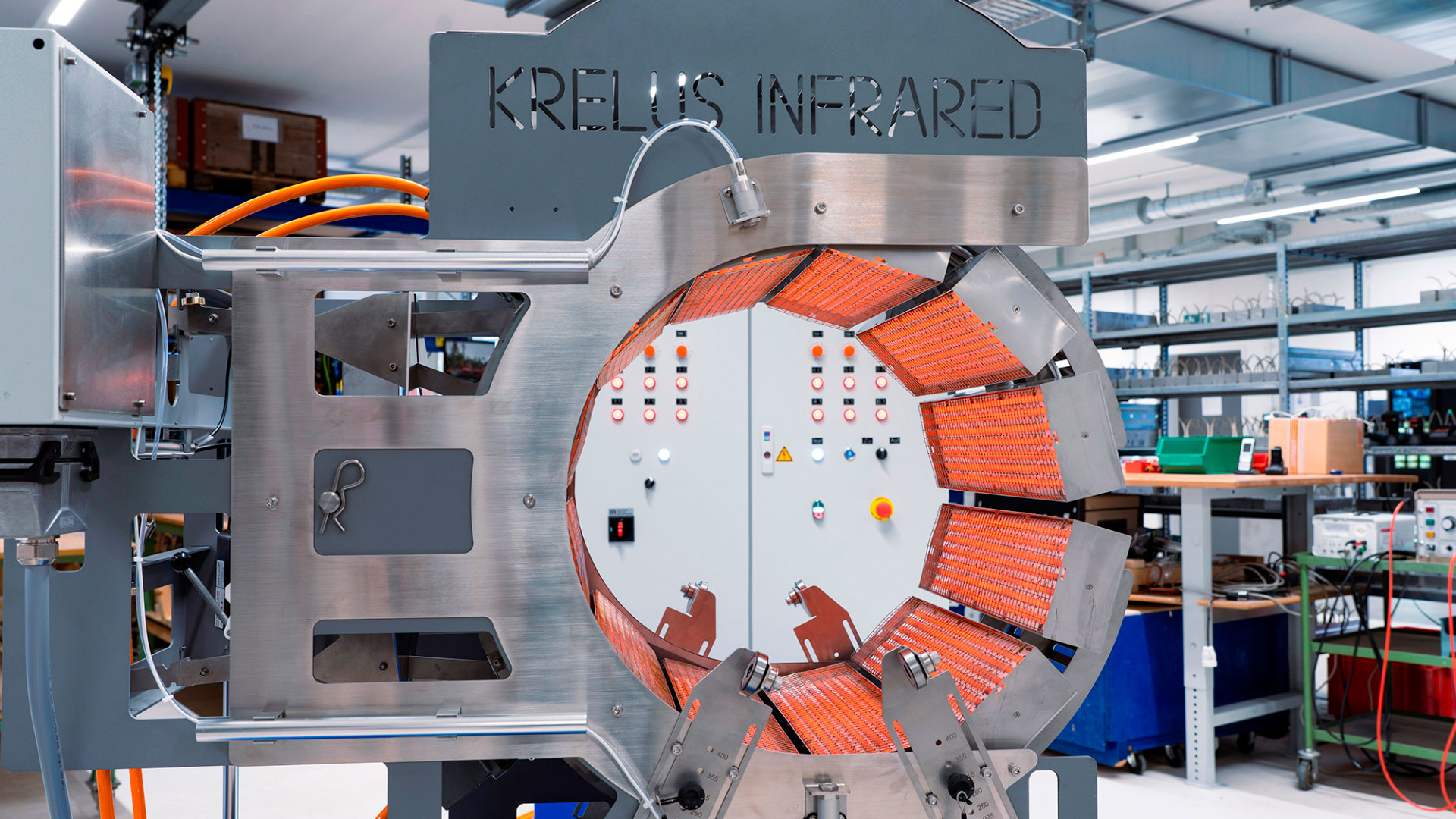
A key benefit lies in the precise temperature control: Electric hot-air systems enable precise, stable, and reproducible process control. This not only improves quality in many applications but also ensures that it remains consistent—regardless of environmental factors or fluctuations in the energy supply.
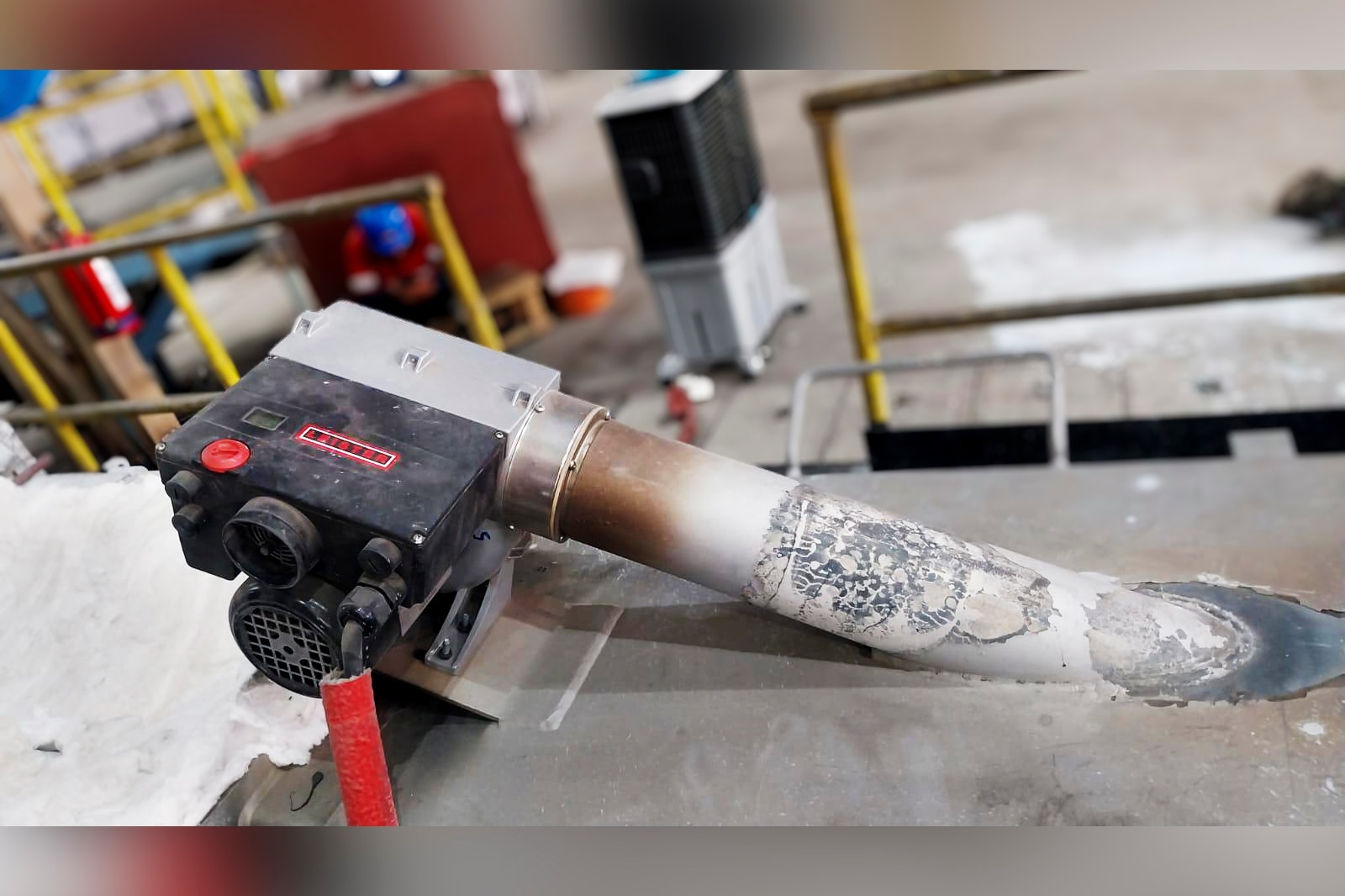
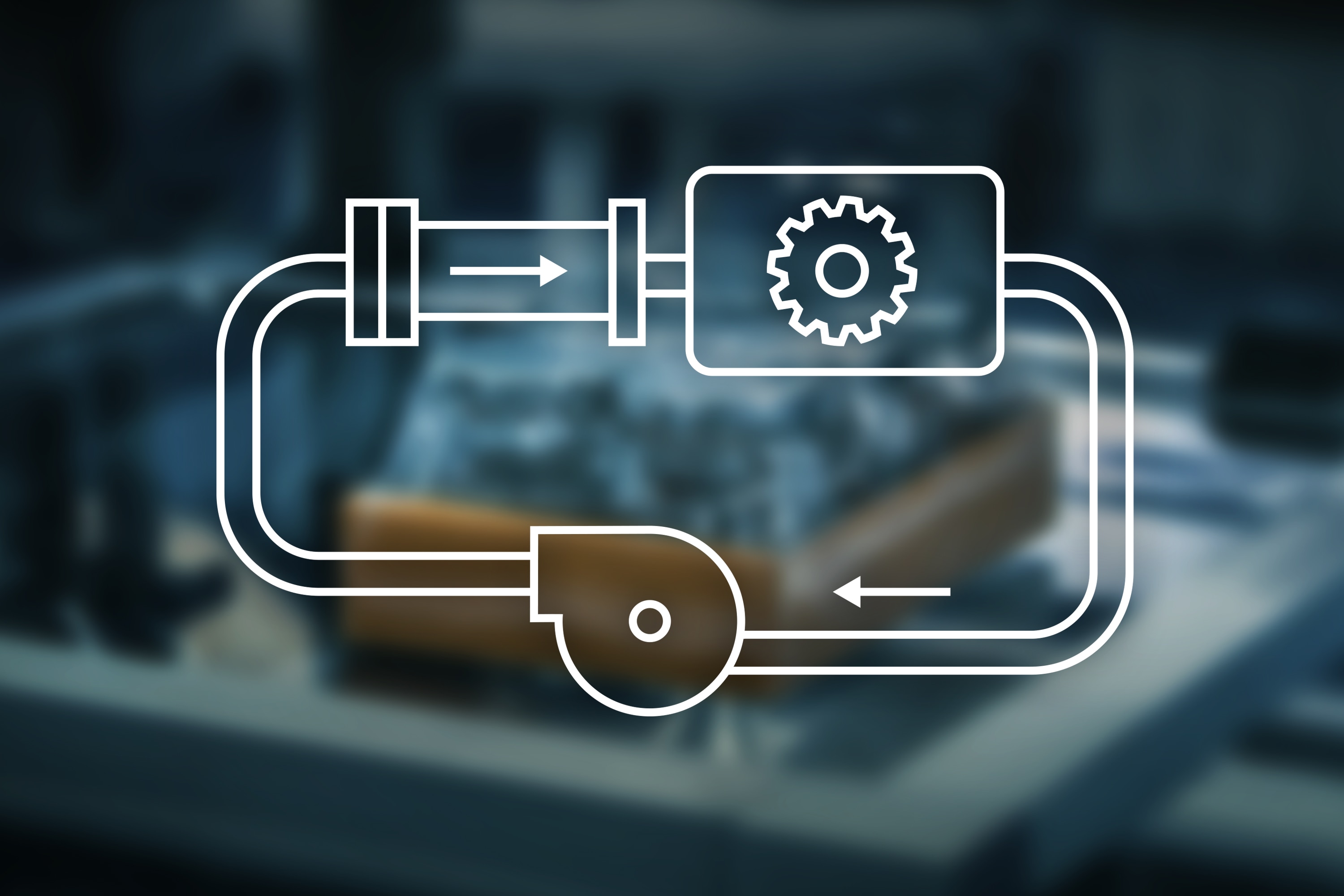
A good example is catalytic exhaust air purification. High-performance hot-air blowers, such as the Leister VULCAN, provide the necessary process heat to reliably convert pollutants. In thermal material conversion processes and in cyclones used for afterburning, a controlled stream of hot air is increasingly replacing the open gas flame. The uniform temperature distribution and precise control result in more consistent reaction conditions and improve the energy efficiency of the entire process.
Aluminum production: Hot air replaces gas in preheating
In addition to exhaust air purification, hot air is also gaining ground in the preheating of casting molds, as it enables uniform heat distribution without leaving fossil fuel residues. TIn addition, the use of hot air also effectively removes any residual moisture, whereas the combustion of fossil fuels introduces additional water vapor into the process through chemical reactions.
A particularly clear example is the preheating of ladles launders (channels for transporting molten metal) in aluminum production. Before molten aluminum flows, the temperature must be constant along its entire length. Uneven heating can lead to solidification, overflow, and production stoppages. Where LPG gas burners with open flames were once used, electric hot air now performs this task in a much more controlled manner.